
crimepsychological crime
The Black Cat House Murders
Yukito Ayatsuji
Aging Ayuda Toma was once the manager of a large family estate, The Black Cat House. As his memory begins to fail, Toma hands two friends his personal…
FANTASY
Fra romantasy og nordisk mytologi til grimdark og urban fantasy – find de bedste fantasybøger og episke serier her på Kapitel.
Photo: Unsplash
Fantasy er troens pris — du giver et vilkår over for at blive transporteret til det umulige.Kapitel
Fantasyroman er kunsten at skabe helt nye verdener. Her gælder ikke vores regler; trolddom, guder, og magiske systemer erstatter naturens love. Fra episk fantasy med sværd og trolddom der spænder over titusind år, til romantasy hvor kærlighed og magi bliver uadskillelige, til det mørke grimdark-landskab hvor moralsk gråt erstattet klare skelner, fantasy tilbyder uendelig flugt.
Nordisk fantasy har særlig kraft fordi den ofte er rodfæstet i virkelig mytologi: nordiske guder, vikinger, runer og gamle sager. For danske læsere er denne forbindelse til nordisk arv dybest, vi genkender de landsdele, vi forstår de kulturelle referencer, og når trolddom møder vores egen historie, bliver verden-opbygningen helt særlig autentisk.
Vi drages til fantasy fordi den lover noget våre virkelighed ikke kan: virkelig magt, virkelig magi, karakterer der kan omforme verden efter deres villestyrke. Men nordisk fantasy tilbyder også dybde, vi bygger verdener for at forstå mennesker bedre, ikke for at undgå dem. Hver verden, hver gudeverden, hver trollekonge siger noget om os.
Fantasy-landskabet inden for denne genre er enormt. Du kan drukne i episke epos der spænder univers, eller finde varme i romantasy hvor hver side lugter af forelskelse og magi.
Fra epic fantasy med trilogier og world-building på kolossal skala, til nordisk mytologi der gør vore gamle guder til levende karakterer, til romantasy hvor kærlighed blomstrer blandt trolddom, til mørk fantasy i grimdark-stil hvor intet er helligt, finder du verdener nok til flere liv.
Hvis du elsker world-building og mytologi i fantasy, udforsker du måske også science fiction hvor samme verden-opbygning udforsker andre verdener, eller børne- og ungdomsbøger hvor fantasy ofte finder dens mest eventyrlige form. Tag springet til en ny verden i dag.
Hvis du har læst Ringenes Herre, start her. Hvis du ikke har, nu er tiden at opdage hvad det betyder at blive helt absorberet af en verden du ikke vil forlade.
Fantasy-romaner handler om at leve i verden med anden logik — hvor magi eksisterer, og verden opererer efter regler som ligger uden for vores virkelighed. Nordisk fantasy blander mytologi med moderne fortælling.
Romantasy blander worldbuilding af fantasy med hjerteslag af romance. Her handler det ikke bare om at redde verden — det handler om at få drømmen med det menneske du elsker. Ofte med sex på siden for at gøre det hele mere intenst.
Epic serier hvor du bliver for næsten år. Romantasy hvor magien møder hjerteslaget. Urbant fantasy hvor det overnatuliges pulserer under byens surface.
Yukito Ayatsuji
Aging Ayuda Toma was once the manager of a large family estate, The Black Cat House. As his memory begins to fail, Toma hands two friends his personal…
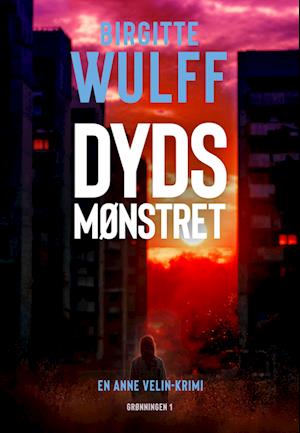
Birgitte Wulff
HUN SPILLER PÅ TO HOLD MED LIVET SOM INDSATS Femte bog i Birgitte Wulffs populære og anmelderroste krimiserie om journalisten Anne Velin. Amina forsøger at…
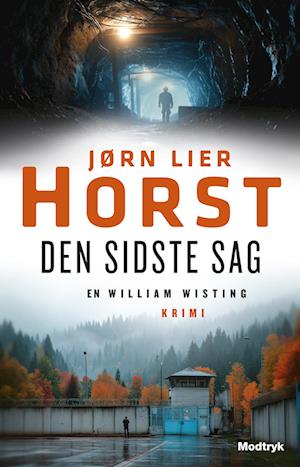
Jørn Lier Horst
For 18 år siden arresterede William Wisting Erik Kaplin, der siden har siddet fængslet. I sin celle har han haft en liste over personer, der var skyld i hans…

Fantasy er troens pris — du giver et vilkår over for at blive transporteret til det umulige.Lorem Ipsum
Lorem ipsum dolor sit amet, consectetur adipiscing elit, sed do eiusmod tempor incididunt ut labore et dolore magna aliqua. Ut enim ad minim veniam, quis nostrud exercitation ullamco laboris nisi ut aliquip ex ea commodo consequat.
Duis aute irure dolor in reprehenderit in voluptate velit esse cillum dolore eu fugiat nulla pariatur. Excepteur sint occaecat cupidatat non proident, sunt in culpa qui officia deserunt mollit anim id est laborum.
Tolkien-inspireret episk fantasy. Romantasy hvor romancen driver plottet. Urbant fantasy hvor New York er sæde for magien. Hvad heimerer du hjem?
Lorem ipsum dolor sit amet, consectetur adipiscing elit, sed do eiusmod tempor incididunt ut labore et dolore magna aliqua. Ut enim ad minim veniam, quis nostrud exercitation ullamco laboris.
Nordic fantasy har sin egen stemme — fra Maria Turtschaninoff til de mest nuværende BookTok-trending fae-historier. Her mødes mytologi og modernitet.
Hvis du har læst Ringenes Herre, start her. Hvis du ikke har, nu er tiden at opdage hvad det betyder at blive helt absorberet af en verden du ikke vil forlade.