
crimepsychological crime
The Black Cat House Murders
Yukito Ayatsuji
Aging Ayuda Toma was once the manager of a large family estate, The Black Cat House. As his memory begins to fail, Toma hands two friends his personal…
BIOGRAFI
Selvbiografier, sportsbografier, kongelige fortellinger og kunstnerhistorier – dyk ned i menneskeliv, memoires og personlige narrativer fra hele verden.
Photo: Unsplash
En god biografi handler ikke blot om fakta — det handler om at forstå hvorfor mennesket handlede som det gjorde.Kapitel
Biografier fortæller sandheden om menneskelige liv, og nordiske biografier handler særligt om mennesker der formede Norden. Fra atleter der vandt mesterskaber, til kunstnere der skabte, til royale figurer der regerede, til almindelige mennesker der gjorde ekstraordinære ting, biografien handler om at forstå *hvorfor*. Nordisk biografi har særlig styrke fordi vi værdsætter autenticitet over hagiografi; vi fortæller hele historien, både glorien og græmselseringen.
Danmark og Norden har en stærk biografisk tradition. Vi har biografier om vore kongefamilier, vore sportsstjerner, vore kunstnere. Denne tradition kommer fra vores kulturelle værdsætning af autenticitet, vi vil ikke læse om udsmykket eller retoucheret liv; vi vil vide hele historien. Når vi læser en nordisk biografi, læser vi en persons komplette rejse, deres mørke såvel som deres lys.
Vi drages til biografier fordi de er menneskehistorier på størst mulig skala. En biografi handler ikke blot om en person; den handler om den tid de levede i, de mennesker de påvirkede, de valg de tog der ramte verden omkring dem. I at læse en biografi bliver vi større mennesker fordi vi ser større menneskers liv.
Biografier-landskabet er bredt: fra erindringer hvor mennesker skriver deres eget liv, til sportsbiogarfier fyldt af kamp og sejr, til kunstner-biografier der udforsker kreativ proces, til royale biografier der afsløre hofets hemmeligheder.
Fra erindringer hvor mennesker deler deres eget liv fortalt af dem selv, til sportsiografi fyldt med atleter og deres triumfer, til kongelig biografi om dynastier og monarki, til kunstner biografi der udforsker kreativ sjæl, finder du her mennesker hvis liv kan transformere hvordan du tænker dit eget.
Hvis du elsker menneskelige historier i biografier, udforsker du måske også historie hvor større kontekster forbindes, eller kunst & kultur hvor kunstnere mødes. Læs en nordisk biografi og find inspirasion i mennesker der levede fuldt ud.
Find en mennesket hvis liv fascinerer dig og dyk ned i deres verden. Biografier er som en samtale med historien selv.
Hele historiebogen er fuld af mennesker. Fra militærbefaldingsmand til kunstner, fra politiker til atlet — biografi handler om det virkelige liv.
Fra soldater til statesmænd, fra forskere til erobrere — biografier om mennesker der formede verden. Læs om de militære førere, der traf afgørende valg, og om den menneskelige side af store historiske begivenheder.
Fra historiske skikkelser til moderne ledere. Kunstnere der levede intenst. Kvinder hvis stemmer blev hørt. Mængder af mennesker der ændrede verden.
Yukito Ayatsuji
Aging Ayuda Toma was once the manager of a large family estate, The Black Cat House. As his memory begins to fail, Toma hands two friends his personal…

Birgitte Wulff
HUN SPILLER PÅ TO HOLD MED LIVET SOM INDSATS Femte bog i Birgitte Wulffs populære og anmelderroste krimiserie om journalisten Anne Velin. Amina forsøger at…
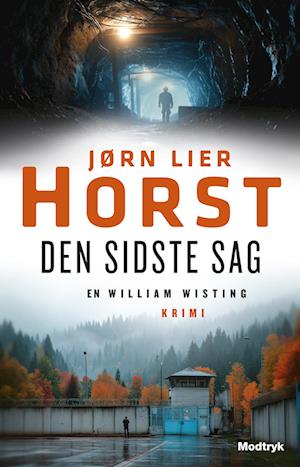
Jørn Lier Horst
For 18 år siden arresterede William Wisting Erik Kaplin, der siden har siddet fængslet. I sin celle har han haft en liste over personer, der var skyld i hans…

En god biografi handler ikke blot om fakta — det handler om at forstå hvorfor mennesket handlede som det gjorde.Lorem Ipsum
Lorem ipsum dolor sit amet, consectetur adipiscing elit, sed do eiusmod tempor incididunt ut labore et dolore magna aliqua. Ut enim ad minim veniam, quis nostrud exercitation ullamco laboris nisi ut aliquip ex ea commodo consequat.
Duis aute irure dolor in reprehenderit in voluptate velit esse cillum dolore eu fugiat nulla pariatur. Excepteur sint occaecat cupidatat non proident, sunt in culpa qui officia deserunt mollit anim id est laborum.
Politikere og militærbefaldingsmænd. Kunstnere og musikere. Kvinders fortællinger. Forretningsmænds visioner. Sportsikonere.
Lorem ipsum dolor sit amet, consectetur adipiscing elit, sed do eiusmod tempor incididunt ut labore et dolore magna aliqua. Ut enim ad minim veniam, quis nostrud exercitation ullamco laboris.
Fra Ditlevsen til Knausgård til moderne memorer — biografien når sin styrke når den ikke forsimpler mennesket men helhed om det helt menneske.
Find en mennesket hvis liv fascinerer dig og dyk ned i deres verden. Biografier er som en samtale med historien selv.