
crimepsychological crime
The Black Cat House Murders
Yukito Ayatsuji
Aging Ayuda Toma was once the manager of a large family estate, The Black Cat House. As his memory begins to fail, Toma hands two friends his personal…

KRIMI
Fra nordisk noir til hygge-mysterier – find alle typer af krimibøger, detektivserier og true crime-historier der holder dig optaget.
Photo: Unsplash
Kriminalromanens styrke ligger i dens evne til at gøre det metodiske spændende. En god detektiv er aldrig hektisk — blot udelukkelig fokuseret.Kapitel
Kriminalromaner er ikke blot mystik-bløfferi; de er undersøgelser af menneskers væsen i ekstreme situationer. I Danmark elsker vi især den nordiske tilgang til krimien: ikke det bombastiske, men det interiøre, psykologiske, hvor hver karakter bærer sine hemmeligheder som tunge byrder. Fra små kystkommuner til københavnske lejligheder udfolder sig historier af forbrydelse og retfærdighed, men altid med en særlig skandinavisk vægtning på det menneskelige frem for det spektakuløse.
Danske og nordiske forfattere revolutionerede verdensscenen ved at importere autentiske miljøer: virkelige steder, virkelige dialekter, og især det særlige nordiske perspektiv på ret og uret. Hvor internationale krimier ofte handler om at 'fange den værste mand,' handler nordisk noir om at forstå, hvorfor mennesker gør det, de gør. Denne dybde, denne kulturelle autenticitet, er hvorfor serier som *Forbrydelsen* og bøger af Jussi Adler-Olsen og Jo Nesbø blev globale fænomener.
Danske læsere forbinder sig særligt med krimien fordi den reflekterer vores verden: små land, tætte samfund, hvor enhver kender enhver, og hemmeligheder bliver uundgåeligt afsløret. Vi drages til det psykologiske opsving snarere end det fysiske action; til mørkere nuancer af gråt frem for klart sort og hvidt.
Inden for krimigenren finder du en mangfoldighed af stemmer og tilgange. Nogle udforsker rent politiarbejde, andre dykker ned i det psykologiske menneskesindet, og nogle, især i dansk tradition, finder humor og varme selv i det mørkeste.
Fra nordisk krimi der udforsker skandinavisk autenticitet og nordisk noir, til psykologisk krimi der undersøger sindsspil og manipulation, til den helt særlige danske hygge krimi, hvor mysteriet folder sig ud i venlige omgivelser, finder du her stof for enhver krimi-smag. True crime tilbyder virkelighed baseret på faktiske forbrydelser, mens politiromaner fokuserer på detektivenes arbejde fra første spor til dom.
Hvis du elsker det psykologiske spil i nordisk krimi, udforsker du måske også thrillers, hvor spænding og usikkerhed tages endnu videre, eller historisk fiktion for at forstå konteksten bag danske samfundsdrama. Start dit eventyr i nordisk krimi i dag.
Start med en af de ikoniske nordiske serier eller tag mod til en psykologisk mysterium hvor du ikke er sikker på hvem du kan stole på. Perfekt for nætter hvor du ikke kan lægge bogen fra dig.
Kriminalromaner handler om at løse mysterier og forstå mennesker i ekstreme situationer. Nordisk krimi er særlig for dens fokus på det psykologiske, sociale realisme og blød atmosfærisk spænding.
Nordisk noir udforsker krimi som et vindue til samfundets væsen. Fra små kystkommuner til store byer fortælles der historier om forbrydelse og retfærdighed, men altid med det særlige nordiske perspektiv: hvor det handler mere om at forstå mennesker end at jage adrenalin. Serier som Forbrydelsen og forfattere som Jo Nesbø har gjort nordisk noir til verdensscene.
Udforsker hvordan kriminalromaner verden over spørger: hvad drev forbryder til handlingen? Og hvad skal til for at genopbygge orden fra kaos?
Yukito Ayatsuji
Aging Ayuda Toma was once the manager of a large family estate, The Black Cat House. As his memory begins to fail, Toma hands two friends his personal…

Birgitte Wulff
HUN SPILLER PÅ TO HOLD MED LIVET SOM INDSATS Femte bog i Birgitte Wulffs populære og anmelderroste krimiserie om journalisten Anne Velin. Amina forsøger at…
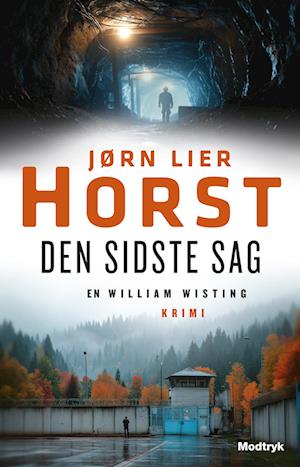
Jørn Lier Horst
For 18 år siden arresterede William Wisting Erik Kaplin, der siden har siddet fængslet. I sin celle har han haft en liste over personer, der var skyld i hans…

Kriminalromanens styrke ligger i dens evne til at gøre det metodiske spændende. En god detektiv er aldrig hektisk — blot udelukkelig fokuseret.Lorem Ipsum
Lorem ipsum dolor sit amet, consectetur adipiscing elit, sed do eiusmod tempor incididunt ut labore et dolore magna aliqua. Ut enim ad minim veniam, quis nostrud exercitation ullamco laboris nisi ut aliquip ex ea commodo consequat.
Duis aute irure dolor in reprehenderit in voluptate velit esse cillum dolore eu fugiat nulla pariatur. Excepteur sint occaecat cupidatat non proident, sunt in culpa qui officia deserunt mollit anim id est laborum.
Fra langsomme burn Nordic noir til psykologiske mysterier hvor narratoren selv kan være skyldig. Se hvor du skal starte.
Lorem ipsum dolor sit amet, consectetur adipiscing elit, sed do eiusmod tempor incididunt ut labore et dolore magna aliqua. Ut enim ad minim veniam, quis nostrud exercitation ullamco laboris.
Kriminalromanerne fra Norden — især Danmark og Sverige — har redefineret genren. Sjöwall og Wahlöö, Mankell, Fossum og Nesbø sætter standarden for hvad intelligence-drevet, socialt bevidst kriminalfiktion kan være.
Start med en af de ikoniske nordiske serier eller tag mod til en psykologisk mysterium hvor du ikke er sikker på hvem du kan stole på. Perfekt for nætter hvor du ikke kan lægge bogen fra dig.