URBAN FANTASY
Hidden Worlds Beneath the City
Magic lives in the cracks of the everyday — in midnight streets, secret societies, and the spaces between what we're told is real and what we know in our bones to be true.
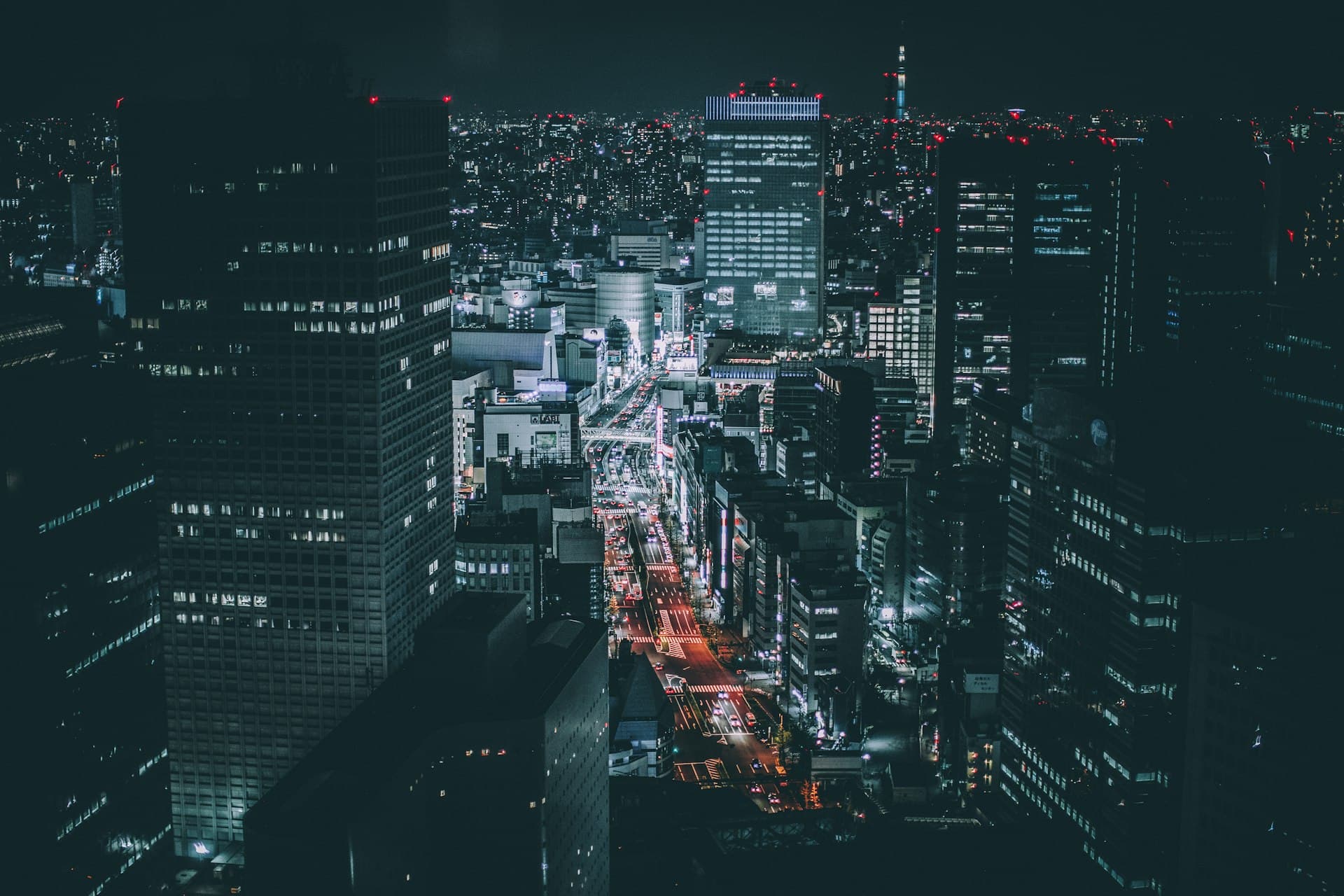
Photo: Andre Benz
Start here in 2026
Three unmissable entry points into cities where the supernatural has learned to hide in plain sight.
Ninth House
Leigh Bardugo
A Ivy League thriller where a scholarship student with the ability to see ghosts is recruited to monitor the eight secret societies practicing dangerous occult magic at Yale. Dark academia meets urban mystery.
The Breaking of Time
J.J. Hebert
An accountant's desperate act to save his son fractures reality itself, awakening ancient magic and drawing him into a war with an immortal order of sorcerers. Family drama meets supernatural thriller.
City of Bones
Cassandra Clare
A teenager discovers New York City's hidden world of Shadowhunters — demon-hunters descended from angels — and uncovers a conspiracy that will reshape everything she believes about her own identity.
Track what you read
Keep a free reading journal and connect with other urban fantasy fans. Create your Kapitel profile today.
Why the city is the perfect place for magic
Urban fantasy doesn't hide the magical world behind a mountain or a closed portal. It keeps it closer — just around the corner, in the basement, inside a building you've walked past a hundred times.The genre's fundamental tension
Urban fantasy asks a question that other fantasy genres avoid: what if the magic was always here, and we simply learned not to see it? It doesn't ask you to leave the world behind. Instead, it insists that you look at your own city—your London, Chicago, New York—and recognize that underneath the subway tunnels and behind the office buildings, something ancient and urgent is still alive.
The genre's power lies in proximity. A dragon living in a mountain is distant, romantic, safe to admire. But a wizard running a detective agency in Chicago, or a ghost haunting your university's secret societies, or supernatural beings negotiating for territory in the spaces between streetlights—that's intimate. That's unsettling. It collapses the distance between wonder and the ordinary commute.
What makes urban fantasy addictive is the double life at its core. Every character knows something the rest of the city doesn't. They're living in the same place as you, but in a completely different reality. That secret knowledge—that burden and privilege—becomes the lens through which we read the world the author has built.
The genre splits into two philosophies
Urban fantasy writers choose between two fundamental approaches: keep the magic hidden from most people, or let it shape the visible world.
Magic is the secret
Most people walk through the world unaware. Magic exists in layers beneath the everyday—in the Folly where wizards work with Scotland Yard, in the secret societies at Yale, in the supernatural underworld that coexists with human society. The thrill is discovery: the reader learns about the hidden world at the same pace the protagonist does. Examples: Rivers of London, Ninth House, The Mortal Instruments.
What urban fantasy teaches us about power and belonging
Urban fantasy is often about people who are caught between worlds, unable to fully belong to either.A recurring theme across the genre
The best urban fantasy novels use the hidden magical world as a metaphor for all the invisible structures that govern our cities—privilege, exclusion, knowledge passed only to the initiated few. Ninth House uses Yale's secret societies to explore how elite institutions protect their power. The Mortal Instruments explores what happens when you're suddenly part of a world your family hid from you. Rivers of London asks what it means to serve an institution designed to protect secrets.
These books appeal to readers who recognize themselves in stories about discovering a place where they belong, only to learn that belonging comes with obligations, dangers, and moral compromises they didn't anticipate. That's the real magic: not spells and wards, but the recognition that the world is far more complicated than the one we've been living in.
How to read urban fantasy
Urban fantasy pulls you into stories by revealing the hidden world in layers. Understand how the genre builds immersion.
The Ordinary Anchor
Every story starts with a protagonist in a recognizable setting—a London street, a Chicago office, a New York diner. This familiarity is crucial. It makes the strange elements more disorienting when they appear.
The First Crack
Then something impossible happens. A ghost appears. A stranger with dangerous knowledge finds you. You witness magic in broad daylight. The protagonist (and reader) crosses the threshold from ignorance to awareness.
The New Rules
Once you know about the hidden world, you learn its customs, hierarchies, and dangers. Urban fantasy spends significant time building a parallel mythology—how the government of the magical world works, where power lies, what the moral codes are.
The Collision
The two worlds begin to collide. The protagonist's secret knowledge creates conflicts: duty versus love, safety versus justice, loyalty versus truth. The story's real tension emerges here.
The Choice
Finally: does the protagonist commit fully to the hidden world, or try to bridge both? Do they embrace their secret identity or resist it? Urban fantasy lives in this tension between worlds.
Eight essential reads for every mood
Move beyond the basics. These titles offer different flavors of urban fantasy — from detective procedural to paranormal romance to dark academia.
Jim Butcher
Chicago's only professional wizard, Harry Dresden, takes a case investigating murder and black magic. The Dresden Files begin here — addictive, character-driven, endlessly inventive.
Neil Gaiman
Richard Mayhew falls into London Below—a hidden underworld beneath the familiar city, inhabited by creatures and gods forgotten by the ordinary world above. Gaiman's definitive urban fantasy.
Ben Aaronovitch
Peter Grant, a London police constable, takes a witness statement from a ghost and is recruited into a secret branch of the Met that investigates supernatural crime. Witty, procedural, perfectly British.
Sarah J. Maas
The third Crescent City novel where Bryce Quinlan navigates demonic conspiracies and personal vengeance in a world where paranormal beings live among humans. Maas at her most expansive.
Leigh Bardugo
Alex Stern is back in New Haven, determined to break her mentor out of hell. The sequel to Ninth House deepens the dark academia mystery and raises the stakes impossibly high.
Samantha Shannon
A epic-scale urban fantasy where dragons are real, magic is institutional, and a woman discovers she's the key to preventing apocalypse. Ambitious worldbuilding meets intimate storytelling.
Ilona Andrews
Roman, servant of a Slavic god of destruction, just wants to be left alone—until a wounded boy and a army of mercenaries arrive at his door. From the Kate Daniels universe.
Aiden Thomas
The sequel to Cemetery Boys where Julian, once a ghost, now sees ghosts—and something darker is following him. A paranormal mystery with romance and profound character growth.
Your questions answered
Ready to enter the hidden city?
Join thousands of readers tracking their urban fantasy journeys. Build your reading list and discover your next obsession.