
crimepsychological crime
The Black Cat House Murders
Yukito Ayatsuji
Aging Ayuda Toma was once the manager of a large family estate, The Black Cat House. As his memory begins to fail, Toma hands two friends his personal…
SCIENCE FICTION
Fra space opera og cyberpunk til dystopian futures – dyk ned i science fiction-serier og speculative fiction der skaber nyt syn på verden.
Photo: Unsplash
Science fiction er ikke forudsigelse — det er advarsel og håb pakket i samme bog.Kapitel
Science fiction handler ikke primært om teknologi, det handler om menneskene der lever med teknologien. Nordisk science fiction har særlig interessant kant fordi vi ikke skriver om teknologi som frelsning; vi skriver om teknologi som potentiel katastrofe, som social kontrol, som den ting der kan ødelægge det vi holder af. Fra dystopisk fiktion der udforsker sammenbruddet af samfund, til cyberpunk der undersøger teknologi og kontrol, til space opera der lader os undslippe til helt andre stjerner, nordisk science fiction udforsker fremtiden med en særlig *pessimistisk karhed*.
Danske og nordiske science fiction-forfattere spørger: *Hvad hvis samfundssamtalen kan blive værre? Hvad hvis teknologi styrer os fuldstændigt? Hvad hvis verden kollapser?* Dette reflekterer et særligt skandinavisk syn, vi har levet gennem økonomiske kriser, gennem besættelse, gennem teknologisk transformation. Vores frygt for fremtiden handler ikke om alien-invasioner; det handler om mennesker der mister deres menneskelighed.
Vi drages til science fiction fordi den giver os mulighed for at tænke værste scenario uden at skulle leve det. Når vi læser om dystopisk fremtid eller høj-tech kontrol, lærer vi noget om os selv og vores verden her og nu.
Science fiction-landskabet strækker sig fra det helt pessimistiske til det eventyrlige. Du finder både advarsler og håb, både teknologisk fascination og menneskelig dybde.
Fra dystopisk fiktion der udforsker sammenbrud og totalitær kontrol, til space opera der lader os undslippe til rummet, til cyberpunk fyldt af høj-tech noir og hacker-kultur, finder du her speculative futures der stiller os svære spørgsmål.
Hvis du elsker spekulativ tænkning i science fiction, udforsker du måske også thriller hvor usikkerhed fyldes med nutid, eller fantasy hvor verden-opbygning bliver helt anderledes. Tænk fremtiden gennem science fiction i dag.
Hvis du elsker at tænke stort, hvis fremtiden fascinerer eller skræmmer dig — science fiction er dit laboratorium for tankeeksperimenter.
Science fiction handler om verden som kunne være — fremtider, tech alternativer, og konsekvenser af menneskelig opfindelse. Nordisk science fiction handler ofte om samfund og etik såvel som teknologi.
Cyberpunk er dystopisk futurisme hvor teknologi har fragmented verden i korporative megastater og håbløse slumker. Anti-helte navigerer denne verden gennem hacking, teknologi, og tro.
Fra dystopier der føles for mulige til space opera i uskatheligt fjerne. Cyberpunk hvor kroppen kan hackes. Klimafiktion der advarer og inspirerer.
Yukito Ayatsuji
Aging Ayuda Toma was once the manager of a large family estate, The Black Cat House. As his memory begins to fail, Toma hands two friends his personal…
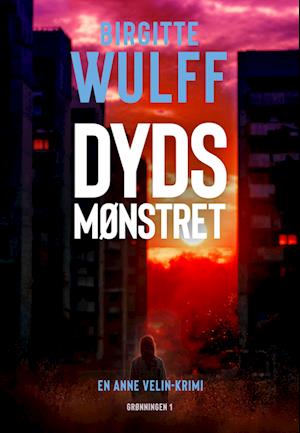
Birgitte Wulff
HUN SPILLER PÅ TO HOLD MED LIVET SOM INDSATS Femte bog i Birgitte Wulffs populære og anmelderroste krimiserie om journalisten Anne Velin. Amina forsøger at…

Jørn Lier Horst
For 18 år siden arresterede William Wisting Erik Kaplin, der siden har siddet fængslet. I sin celle har han haft en liste over personer, der var skyld i hans…
Science fiction er ikke forudsigelse — det er advarsel og håb pakket i samme bog.Lorem Ipsum
Lorem ipsum dolor sit amet, consectetur adipiscing elit, sed do eiusmod tempor incididunt ut labore et dolore magna aliqua. Ut enim ad minim veniam, quis nostrud exercitation ullamco laboris nisi ut aliquip ex ea commodo consequat.
Duis aute irure dolor in reprehenderit in voluptate velit esse cillum dolore eu fugiat nulla pariatur. Excepteur sint occaecat cupidatat non proident, sunt in culpa qui officia deserunt mollit anim id est laborum.
Hard sci-fi hvor fysikken holdes. Soft sci-fi hvor mennesket holdes. AI-fiktion. Første kontakt. Hvordan ville verden være?
Lorem ipsum dolor sit amet, consectetur adipiscing elit, sed do eiusmod tempor incididunt ut labore et dolore magna aliqua. Ut enim ad minim veniam, quis nostrud exercitation ullamco laboris.
Science fiction fra Norden er ikke almindelig — Olga Ravn, Adrian Tchaikovsky. De tør at spørge det ubehagelige.
Hvis du elsker at tænke stort, hvis fremtiden fascinerer eller skræmmer dig — science fiction er dit laboratorium for tankeeksperimenter.