
crimepsychological crime
The Black Cat House Murders
Yukito Ayatsuji
Aging Ayuda Toma was once the manager of a large family estate, The Black Cat House. As his memory begins to fail, Toma hands two friends his personal…
LITTERÆR FIKTION
Find dansk og skandinavisk litteratur, klassikere, korthistorier og poesi – værker med betydning og psykologisk dybde for den seriøse læser.
Photo: Unsplash
En god litterær roman læses fordi den var nødvendig at skrive — ikke fordi forfatteren skulle tjene penge.Kapitel
Skønlitteratur er hvor sproget bliver kunstart, og danske og skandinaviske forfattere har altid været blandt verdens bedste. Fra Søren Kierkegaard der opfandt moderne filosofi som litterær form, til Karen Blixen der skrev som en troldkvinde, til Astrid Lindgren der gav verden børnelitteraturens fornyelse, danske og nordiske stemmer udgør en litterær kanon som verden læser. Og det fortsætter i dag med samtidsforfattere der skriver verden ind i deres værker med præcision og dybde.
Nordisk litteratur har sine egne karaktertræk: en særlig intimitet, en tilbageholdenhed der faktisk siger mere end ord kunne, en landskabsbetegnelse der bliver til sjælekort. Når danske forfattere skriver, skriver de ofte om det mikroskopiske, familien, naboerne, de små samfund, men gør det universelt. Denne tilgang, denne intensitet, er hvorfor danske bøger betyder noget.
Vi drages til dansk og skandinavisk litteratur fordi vi genkender os selv i den, ikke som helter, men som mennesker med komplekse indre liv. Danske litteraturforfattere dykker ned i det stilfærdige desperation, i det stille heroiske, i almindelige menneskers extraordinære tanker.
Litteraturlandskabet er bredt: fra dansk litteratur baseret i dansk kultur og dansk sprog, til skandinavisk litteratur der forbinder hele nordisk perspektiv, til klassikere der stadig resonerer, til poesi og novellesamlinger hvor formen selv bliver meningsførende.
Fra dansk litteratur der udforsker vores eget kulturlandskab, til skandinavisk litteratur med nordiske stemmer, til klassikere der fortæller hvem vi er som folk, til novellesamlinger og poesi hvor ord bliver musik, finder du her litteratur der transformerer hvordan du forstår verden.
Hvis du elsker dybde og sprog-kunst i litteratur, udforsker du måske også historie hvor dansk fortid bliver nuet, eller samfund & politik hvor ideer mødes. Nedsænk dig i dansk og nordisk litteratur i dag.
Hvis du læser for sætningerne, hvis du går tilbage for at læse et afsnit igen fordi det gjorde dig bange — dette er ditt realm.
Skønlitteratur ændrer ikke historier — det ændrer læseren. Find værker hvor sproget betyder lige så meget som plottet, og hvor du lærer at læse på nyt. Dybde, stemme, og intentionalitet — dansk og skandinavisk litteratur til læsere der søger mere end handling.
Litterær fiktion handler ikke primært om plot — det handler om sprog, stemme og hvordan verden opleves gennem forfatterens øjne. I litterær fiktion er sætningen lige så vigtig som historien. Dansk og skandinavisk litteratur har en særlig tradition for dette: en intensitet der ligger i det lille, det intimt observerede, der bliver universelt. Forfattere som Tove Ditlevsen, Jon Fosse og Inger Christensen skrev ikke fordi verden manglede mere handling — de skrev fordi sproget selv var kunstart. De læsere der søger litterær fiktion søger efter værker hvor man kan læse en sætning fem gange og opdage noget nyt hver gang. Det er læsning som meditation, som samtale, ikke som underholdning.
Fra danske klassikere til nobelpris-forfatter. Fra nordisk samtidsroman til verdens mest intelligente handling. Læse for at blive ændret.
Yukito Ayatsuji
Aging Ayuda Toma was once the manager of a large family estate, The Black Cat House. As his memory begins to fail, Toma hands two friends his personal…
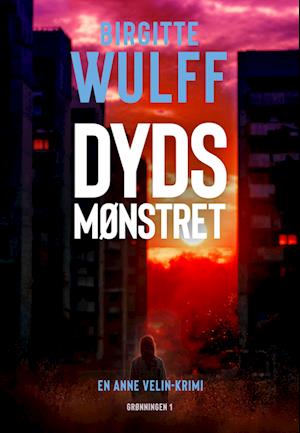
Birgitte Wulff
HUN SPILLER PÅ TO HOLD MED LIVET SOM INDSATS Femte bog i Birgitte Wulffs populære og anmelderroste krimiserie om journalisten Anne Velin. Amina forsøger at…
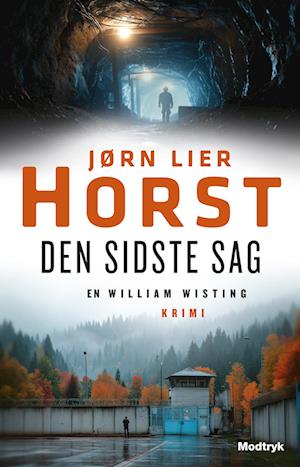
Jørn Lier Horst
For 18 år siden arresterede William Wisting Erik Kaplin, der siden har siddet fængslet. I sin celle har han haft en liste over personer, der var skyld i hans…

En god litterær roman læses fordi den var nødvendig at skrive — ikke fordi forfatteren skulle tjene penge.Lorem Ipsum
Lorem ipsum dolor sit amet, consectetur adipiscing elit, sed do eiusmod tempor incididunt ut labore et dolore magna aliqua. Ut enim ad minim veniam, quis nostrud exercitation ullamco laboris nisi ut aliquip ex ea commodo consequat.
Duis aute irure dolor in reprehenderit in voluptate velit esse cillum dolore eu fugiat nulla pariatur. Excepteur sint occaecat cupidatat non proident, sunt in culpa qui officia deserunt mollit anim id est laborum.
Korthistorier med miniature-perfektion. Skandinavisk litteratur med rodfæstelse. Klassikere som er blevet klassikere fordi de holder.
Lorem ipsum dolor sit amet, consectetur adipiscing elit, sed do eiusmod tempor incididunt ut labore et dolore magna aliqua. Ut enim ad minim veniam, quis nostrud exercitation ullamco laboris.
Nordic litteratur har sin egen stemme — Ditlevsen, Fosse, Knausgård, Tokarczuk. Vi læser dem fordi de skriver som kun de kan.
Hvis du læser for sætningerne, hvis du går tilbage for at læse et afsnit igen fordi det gjorde dig bange — dette er ditt realm.