EPIC FANTASY
Worlds Without End
Enter sprawling realms of destiny, magic, and transformation. Lose yourself in epic journeys where every choice shapes kingdoms.
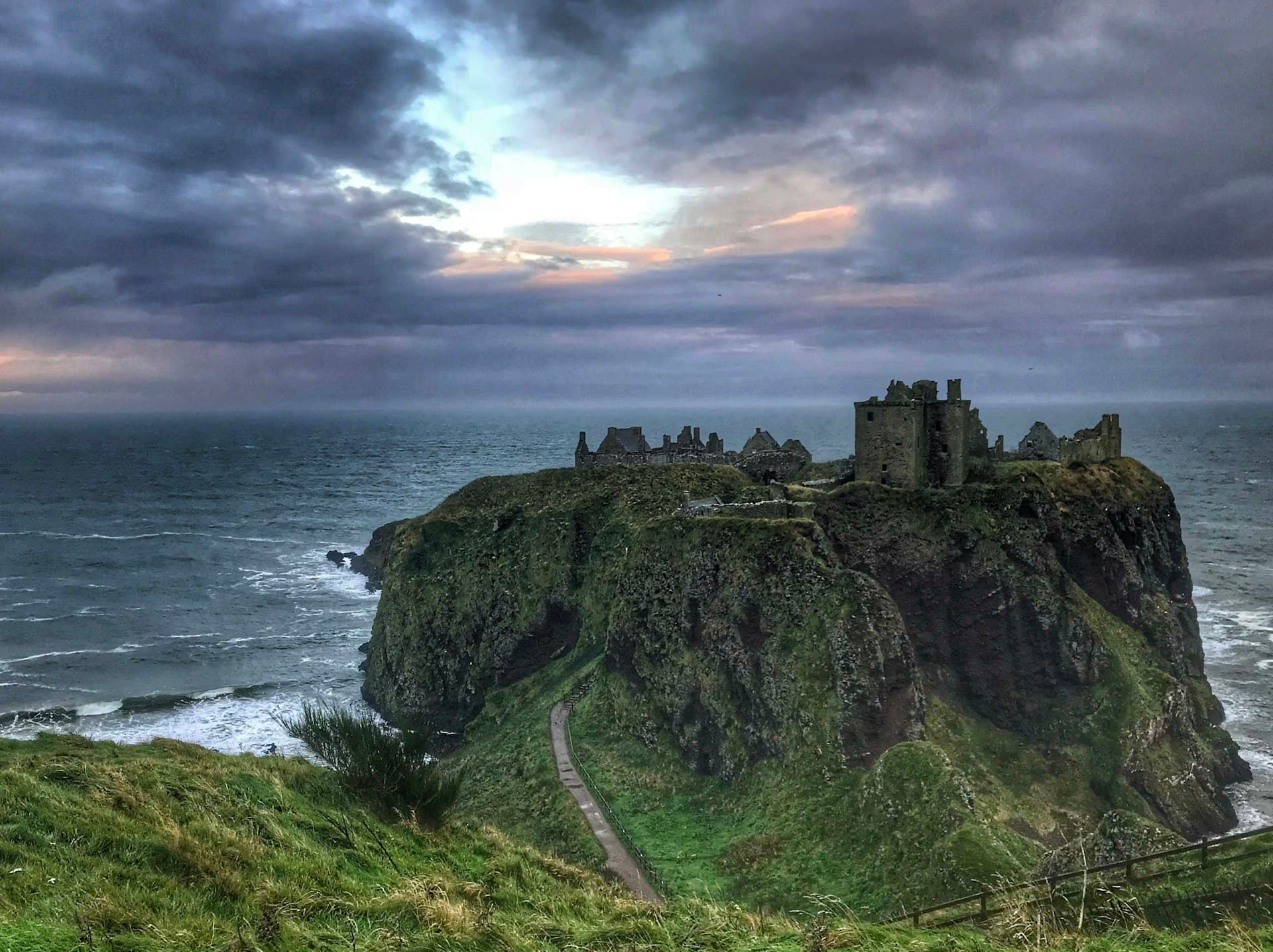
Photo: John Roberts
Three epic series that define the genre
Masterworks of worldbuilding and ambition — the books that show what epic fantasy can become.
The Way of Kings
Brandon Sanderson
The first volume of The Stormlight Archive: a world of stone and storms, where impossible magic systems and sprawling character arcs weave together the fate of empires. Epic in every sense.
The Name of the Wind
Patrick Rothfuss
A bard tells the true story of his rise from tavern keeper to legend. Lyrical prose, intimate first-person narrative, and a magic system rooted in naming itself.
Fourth Wing
Rebecca Yarros
A bookish teenager enters a deadly war college to train as a dragon rider. Political intrigue, slow-burn romance, and a magic system unlike anything else in fantasy.
Find your next epic read
Join thousands of readers discovering their next favourite series. Track what you read, get personalized recommendations.
What epic fantasy asks of you—and what it gives back
A great fantasy begins with a door that shouldn't exist.Neil Gaiman
Epic fantasy is a bargain with the reader: surrender to the world, and the world will transform you. Not metaphorically. When you open The Way of Kings, you agree to spend the next 1,000 pages learning the names of storms, the logic of magic, the weight of prophecy. You'll emerge changed—thinking differently about heroism, sacrifice, and what it means to belong to something larger than yourself.
The genre's defining feature is scale without compromise. Epic fantasy doesn't simplify to reach you; it expects you to climb to meet it. A story might span decades, follow a dozen viewpoints, or ask you to remember the history of three kingdoms before the plot truly begins. This isn't bloat. It's the sound of a world being built brick by brick, becoming real in your mind.
Every epic fantasy is fundamentally about transformation: of individuals becoming legends, kingdoms becoming empires, magic becoming indispensable. You read it because you want to believe that struggle, loyalty, and impossible odds can be overcome—and for as long as you're reading, you do.
Two paths through epic fantasy
Some readers crave the intricate systems and vast tapestries of classical high fantasy. Others prefer character-driven stories set against epic backdrops. Where do you stand?
Intricate systems and sweeping worldbuilding
You want magic explained, maps consulted, history absorbed. Authors like Sanderson and Tolkien build worlds that feel as real as physics—every storm, every curse, every prophecy follows rules. You love series like Wheel of Time or The Stormlight Archive because the worldbuilding IS the story. Names matter. Lineage matters. The colour of a character's sword matters because it carries weight in a world that was thought through completely.
Why readers never leave epic fantasy once they arrive
The books we need are the books that open up the world because that's what the best books do.Zadie Smith
Epic fantasy offers something no other genre quite delivers: permission to live inside someone else's world completely. Not for an afternoon. For weeks. You don't just read about Roshar or Westeros—you inhabit them, learn their rules, forget your own timeline. Readers describe finishing an epic series and feeling genuinely disoriented returning to reality, as though they've been transported and then roughly dumped back.
There's also the gift of community. Epic fantasy readers have created the loudest, most passionate corners of book culture. BookTok, Reddit's r/fantasy, Goodreads forums—they're overflowing with readers eager to discuss theories, debate character decisions, and welcome newcomers into their canons. If you read epic fantasy, you're part of something bigger. That matters.
How to think about the genre's five dimensions
Epic fantasy isn't just long books. It's a specific constellation of features working together. Understand these five, and you'll know exactly what any epic fantasy promises.
World as Character
The setting isn't just a backdrop—it's as important as any person in the story. Magic systems have histories. Landscapes have consequences. A desert isn't scenery; it shapes how cities are built and societies organize. Readers come for the plot but stay for the world.
Scope & Scale
Epic fantasy spans years, sometimes decades. Multiple POVs. Multiple storylines. The book doesn't rush. There's space to breathe, to learn, to despair. A single book might be 400+ pages and still be the beginning of a story that needs four more volumes.
Magic as System
Magic in epic fantasy follows rules. It's not plot convenience; it's architecture. Understanding how magic works (or doesn't) matters as much as understanding how physics works in your own world. Some readers love this. Others find it exhausting. This is personal.
The Hero's Transformation
Epic fantasy heroes don't start perfect. They start broken, ordinary, doubting. Over the course of the series, they're shaped by loss, loyalty, and impossible choices. By the end, they're unrecognizable from who they started. This arc is the spine of the genre.
Stakes That Matter
The stakes are never small. A character's choice doesn't just affect them—it echoes across kingdoms. Death isn't reset. Betrayals cut deep. Victories cost something. Nothing is won easily, and everything earned feels permanent.
Six more series that shaped the genre
Beyond the three above, these books have become cornerstones of epic fantasy culture. Each one opened a new possibility for what the genre could be.
Joe Abercrombie
The First Law trilogy: grimdark fantasy at its finest. Cynical, darkly funny, and utterly gripping—a masterclass in turning genre tropes inside out.
George R.R. Martin
The first book of A Song of Ice and Fire. Political intrigue, shocking deaths, and the collapse of certainty. This book changed what fantasy readers expect from the genre.
N.K. Jemisin
The Broken Earth trilogy's opener: a world of seismic catastrophe and systematic oppression. Won the Hugo Award for a reason. Devastating, brilliant, unmissable.
Leigh Bardugo
A heist fantasy set in the Grishaverse. Tightly plotted, morally complex characters, and a romance that feels earned. Proof that epic fantasy doesn't need sprawling page counts.
N.K. Jemisin
Jemisin's debut: a young woman discovers her family history is bound to enslaved gods. Epic in scope but intimate in voice. The Inheritance trilogy's stunning beginning.
Brandon Sanderson
Sanderson's first epic triumph. A heist-fantasy wrapped in revolution, set in a world of ash and empire. Proof that epic fantasy can be thrilling AND complex.
Questions epic fantasy readers ask
Begin your epic journey
Create a free account to track your reading, join a community of fantasy lovers, and discover your next series.