COURTROOM THRILLER
When Justice and Truth Collide
Enter the arena where legal brilliance meets moral ambiguity. Books that put you in the jury box.
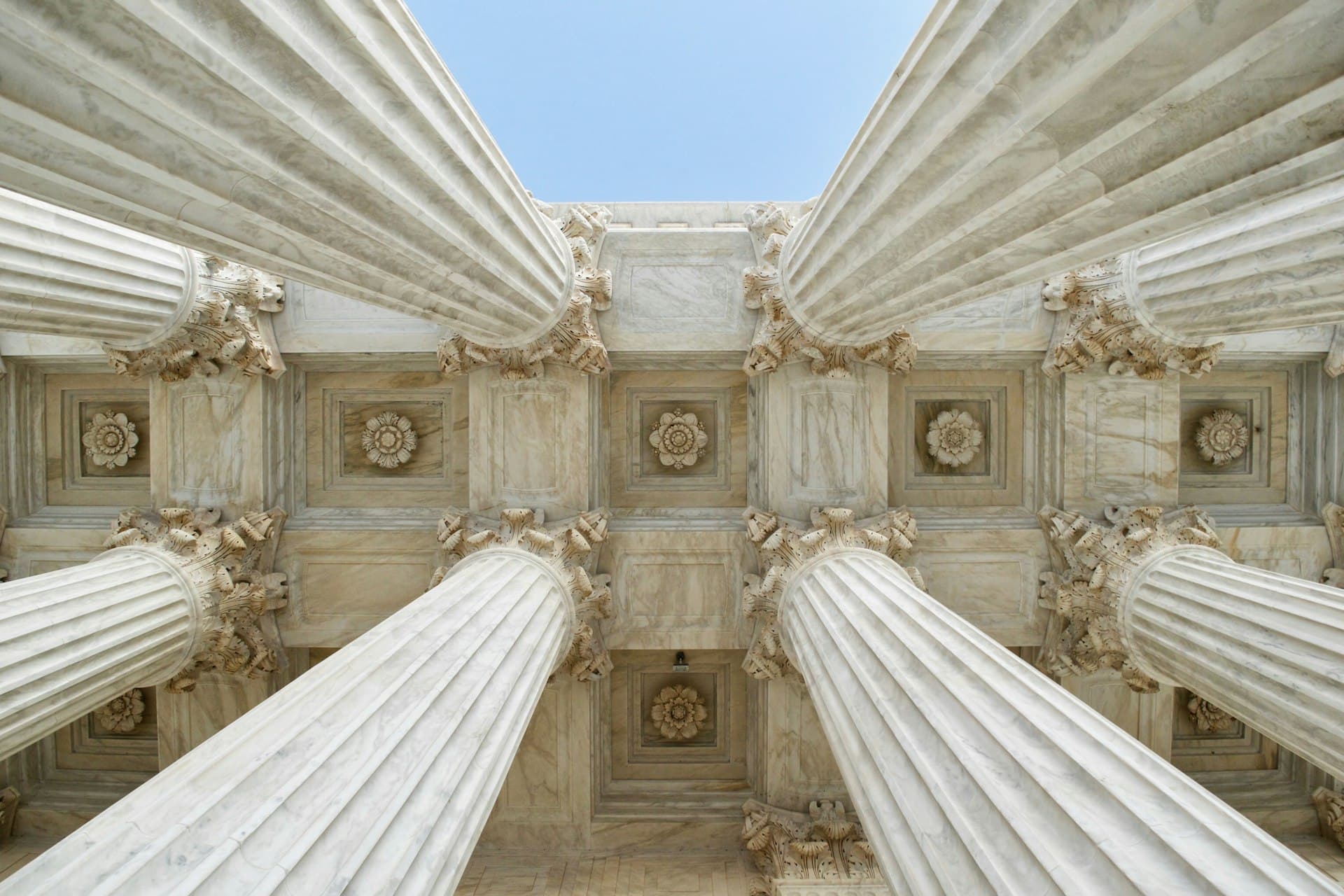
Photo: Jesse Collins
Three Trials That Haunt
The finest courtroom fiction of 2025 — where the law is only the beginning.
The Proving Ground
Michael Connelly
Mickey Haller confronts an AI company whose chatbot urged a teenager to commit murder. A trial where the real defendant may have no face.
Prima Facie
Suzie Miller
A criminal defence barrister becomes the accused. When Tessa Ensler fights for justice, she discovers the law wasn't written for women like her.
The Silver State
Gabriel Urza
A public defender's idealism is tested when a death row letter forces him to reexamine a conviction from eight years earlier. Redemption has no statute of limitations.
Start Your Defence
Track your reads, find your next verdict, and join readers who live for the closing argument.
Why We Can't Stop Reading the Law
The law is a set of rules enforced by men with guns. The courtroom is where we argue what those rules mean.Scott Turow, Presumed Innocent
The courtroom thriller isn't about crime — it's about consequence. While detective fiction asks 'who did it,' the legal thriller asks the harder question: does the guilty party go free? Can the innocent survive the system built to protect them? These novels trust you to sit in the witness box, to weigh evidence that shifts, to distrust every authority figure.
The best courtroom fiction mirrors real trials: they're slow, procedural, full of surprises that come from technicality rather than plot twist. A character reveals a lie not through dramatic confrontation but through cross-examination. A case turns on a rule nobody explained in the opening chapter. The reader, like a juror, discovers the truth only by paying attention.
John Grisham and Scott Turow established the template: a protagonist fighting a system larger than themselves, legal rules that matter, and the gap between justice and the law. Today's courtroom thrillers expand beyond that archetype — we have women defending against men's power, AI companies evading accountability, and systems that were never designed to protect everyone equally.
Criminal vs. Civil
Two courtrooms. Two kinds of verdicts. Two different rules about what truth means.
The Shadows of Guilt
Criminal trials carry stakes that feel ultimate: freedom, life, the finality of a wrong accused. Criminal thrillers live in the asymmetry of proof — the defendant needs only reasonable doubt, but must defend themselves against the full apparatus of prosecution. Michael Connelly and Gabriel Urza master this terrain: defence lawyers fighting against a system with unlimited resources. Criminal courtrooms are adversarial by design, and novels set here exploit that tension perfectly. The reader feels the weight of innocence hanging by a thread, or guilt hiding in plain sight.

Why Courtroom Fiction Matters Now
We don't read trials to understand the law. We read them to understand power.— Legal thriller editors, Publishers Weekly 2025
Courtroom thrillers have become the genre where we debate what justice actually is. When Suzie Miller's barrister heroine fights systemic dismissal of assault victims, readers encounter the legal system's real blindnesses. When Gabriel Urza's public defender revisits a decade-old conviction, we're watching the Innocence Project in narrative form. These aren't escapist plots — they're courtroom transcripts rewritten as moral philosophy.
The genre has also become the space where new technologies are interrogated. Artificial intelligence, deepfakes, metadata — these enter the courtroom without established precedent. Lawyers in today's legal thrillers must defend clients against technologies their training never prepared them for. The reader, like the lawyers, discovers the rules in real time.
Five Layers of Legal Fiction
Courtroom thrillers work like trials themselves: truth emerges slowly, and what you believe changes.
The Accused
Every trial begins with a question: guilty or innocent? The best courtroom fiction complicates this immediately. Your suspect might be guilty of one crime and innocent of another. They might be culpable without breaking any law. The accused person in the dock is not always the novel's villain.
The System
The legal system is the genre's true antagonist. Courtroom thrillers pit individuals against institutions: prosecutors with unlimited resources, judges bound by precedent, juries with incomplete information. The protagonist often loses because the system is designed to protect itself, not to find truth.
The Procedure
Trials move by rules most readers don't know. Objections, discovery, rules of evidence, jury instructions — these aren't obstacles to plot, they ARE the plot. A brilliant courtroom novelist teaches you the rules as the case unfolds. The trial outcome depends on procedure, not just facts.
The Evidence
Evidence in a courtroom is not the same as evidence of guilt. A witness might tell the truth and still mislead. DNA can be mishandled. Documents can be withheld. The courtroom thriller trains readers to ask: not 'is the defendant guilty?' but 'would you convict based on what the jury saw?'
The Moral Reckoning
After the verdict, the reader must reckon. Was justice done? Can the law and justice coexist? The best courtroom thrillers don't resolve this question — they leave you uncertain, the way real trials do. You close the book not knowing if you would have voted differently.
Six More Verdicts to Consider
From debut novelist breakthroughs to Scott Turow's latest, these courtroom moments will stay with you long after sentencing.
Bruce Holsinger
When a driverless minivan kills, who's responsible? A family's week-long retreat becomes a forensic examination of guilt, consent, and the AI systems we trust without understanding.
Nicci Cloke
When four wealthy men die from poison, a waitress stands accused. But in her trial, five men each describe a different woman — raising the question: did they ever know her at all?
Rob Rinder
A breakfast TV presenter dies on live television. All evidence points to a celebrity chef — until barrister Adam Green discovers nothing in the case is as simple as it first appeared.
Philippa Malicka
A celebrated wealthy woman accuses her therapist of brainwashing her daughter. Who is the victim? Who is the perpetrator? One trial unfolds the answer in shattering ways.
Lauren Willig
Alexander Hamilton and Aaron Burr join forces to defend a young man accused of murder in 1799 New York. A historical courtroom thriller that rediscovers a real case.
Scott Turow
A man on death row may be innocent. A corporate lawyer reluctantly becomes his last hope. Turow's masterwork of redemption, guilt, and the gaps between truth and justice.
Common Questions About Courtroom Thrillers
Your Next Case Awaits
Join thousands of readers tracking every verdict. Find your next courtroom drama and discover why justice is always on trial.